
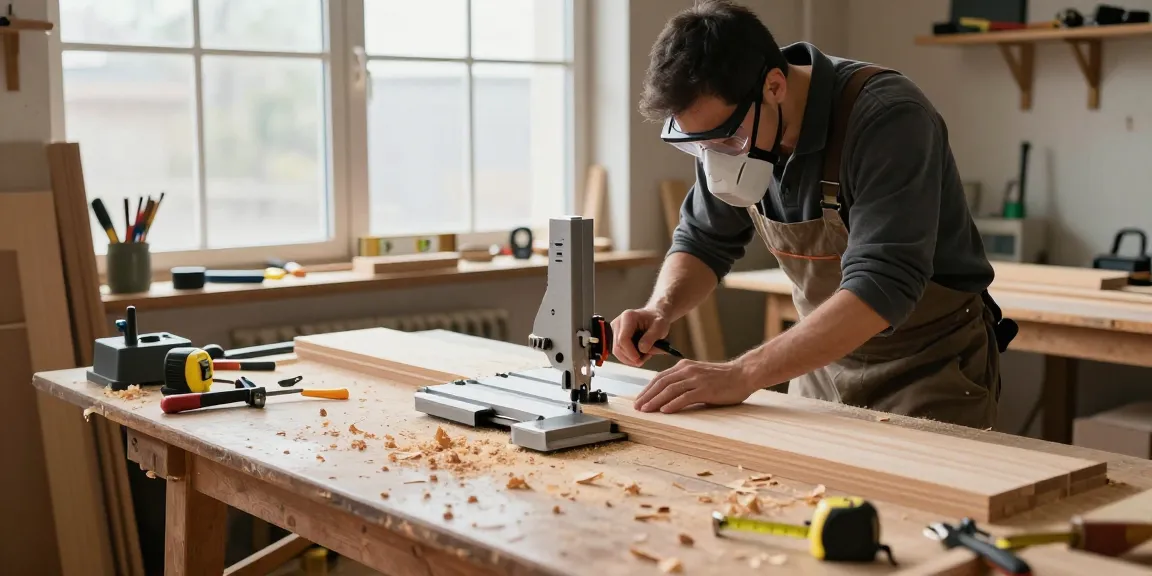
Understanding the Table Mitre Saw
The table mitre saw is an essential tool for both amateur and professional woodworkers, combining precision and versatility in one powerful machine. Whether you are building furniture, crafting intricate moldings, or simply need to make quick cuts, understanding the workings and features of a table mitre saw is crucial for optimizing your woodworking projects. In this article, we will explore various aspects of the table mitre saw, including its key features, specifications, common uses, and how to select the right model for your needs. When exploring options, table mitre saw provides comprehensive insights into the best tools available on the market today.
What Is a Table Mitre Saw?
A table mitre saw, often known as a compound saw, is a powerful tool designed for making crosscuts and angled cuts in wood and other materials. It typically consists of a circular saw blade mounted on a swing arm that pivots left or right to make angled cuts, known as mitre cuts. These saws are mostly stationary, providing stability while cutting, which is essential for achieving accurate results. The versatility of the table mitre saw makes it a go-to choice for various woodworking projects, from simple DIY tasks to complex carpentry work.
Key Features and Specifications
When considering a table mitre saw, several key features and specifications should be noted:
- Blade Size: The most common blade sizes are 10” and 12”, with larger blades providing the ability to cut thicker materials.
- Cutting Capacity: This refers to the maximum width and depth the saw can cut, which varies by model.
- Bevel Adjustment: Many table mitre saws offer adjustable bevel angles for making precise bevel cuts, enhancing versatility.
- Mitre Range: Look for saws with a wide mitre range (usually between 0° and 50°) for greater cutting flexibility.
- Laser Guides: Some models come with laser guide systems that improve cutting accuracy by projecting a line onto the material.
- Dust Collection: Effective dust collection systems are essential for maintaining a clean workspace and improving visibility during cuts.
Common Uses in Woodworking
Table mitre saws are incredibly versatile and can be used for a variety of tasks in woodworking:
- Cross Cuts: Making straight cuts across the grain of wood for framing or creating furniture parts.
- Mitre Cuts: Cutting angles typically used in molding, trim work, and other decorative applications.
- Bevel Cuts: Making angled cuts at the ends of boards for joined corners, often in cabinetry and casework.
- Crown Molding: Ideal for cutting crown molding at specific angles to ensure a perfect fit during installation.
Selecting the Right Table Mitre Saw
Choosing the right table mitre saw can significantly impact your woodworking projects. With so many options available, it’s important to understand your specific needs and the features that matter most to you.
Types of Table Mitre Saws Explained
There are three main types of table mitre saws:
- Standard Mitre Saw: Best for basic crosscuts and mitre cuts; simple, effective, and easy to use.
- Compound Mitre Saw: Capable of making bevel cuts in addition to standard mitre cuts, providing greater versatility.
- Dual Compound Mitre Saw: Offers the ability to bevel in both directions, making it easier to cut compound angles.
Factors to Consider When Buying
When selecting a table mitre saw, consider the following factors:
- Budget: Determine how much you are willing to spend, as prices can range from a few hundred to several thousand dollars.
- Usage: Assess how frequently you will use the saw and for what types of projects, which can influence your choice of features and capacity.
- Space: Ensure you have enough room for the saw, including the necessary safety clearances around it.
- Warranty and Support: Check the manufacturer's warranty and customer support options for peace of mind.
Top Brands and Models of 2026
As of 2026, some brands consistently rank at the top of the table mitre saw market:
- DeWalt: Renowned for durability and performance, DeWalt models often come with advanced features like laser guides.
- Makita: Known for its precision and lightweight designs, ideal for professionals and DIY enthusiasts alike.
- Bosch: Offers reliable performance and innovative designs, often with excellent dust collection capabilities.
- Milwaukee: Focuses on power and ease of use, ideal for heavy-duty applications.
Safety Practices for Table Mitre Saw Users
Using a table mitre saw safely is crucial to prevent accidents and injuries. A solid understanding of safety practices can make a significant difference in your woodworking experience.
Essential Safety Gear and Precautions
Before using a table mitre saw, make sure to wear the appropriate safety gear:
- Safety Glasses: Protect your eyes from flying debris.
- Hearing Protection: Prevent hearing loss from prolonged exposure to loud noise.
- Dust Mask: Avoid inhaling dust particles generated during cutting.
- Non-slip Shoes: Ensure stable footing to prevent falls.
Common Hazards and How to Avoid Them
Be aware of the following hazards associated with table mitre saws, and take steps to avoid them:
- Kickback: Ensure material is secure to prevent sudden movements back toward the user.
- Blade Contact: Always keep hands away from the blade area and use push sticks for small pieces.
- Electrical Hazards: Make sure the saw is grounded and use extension cords rated for the saw's power requirements.
Emergency Procedures and First Aid
In case of an accident, knowing basic first aid procedures is essential. Immediate actions may include:
- Consulting a medical professional for serious injuries.
- Applying pressure to stop bleeding.
- Keeping the injured person calm and still until help arrives.
Advanced Techniques for Efficient Cutting
Mastering advanced techniques can significantly improve your cutting efficiency and precision when using a table mitre saw.
Understanding Mitre and Bevel Cuts
Mitre cuts are made at an angle across the width of the material, while bevel cuts are angled cuts made along the thickness. Both cuts are crucial for creating joints in woodworking, such as frames or moldings.
Setting Up Accurate Measurements
Use a reliable tape measure and square to mark your measurements accurately. Re-check your measurements before cutting to ensure precision.
Maintaining Your Table Mitre Saw for Best Performance
Regular maintenance of your table mitre saw can extend its life and improve cutting accuracy. Some maintenance tips include:
- Blade Cleaning: Keep the blade free of resin and dirt.
- Lubrication: Regularly lubricate moving parts to prevent wear and tear.
- Calibration: Periodically check and adjust the angles and settings for precision.
Future Trends in Table Mitre Saws
As technology evolves, so do table mitre saws. Staying informed about future trends can help you make the best investment for your woodworking needs.
Innovations in Technology and Design
Expect to see further advancements in precision cutting technology, such as automated features that enhance user control and safety.
Environmental Considerations for Woodworking
With a growing focus on sustainability, look for eco-friendly materials and manufacturing practices when selecting a table mitre saw.
Predictions for the Woodworking Industry in 2026
The woodworking industry is likely to embrace smart technology, leading to more connected and efficient tools that facilitate workflows and enhance creativity.
What maintenance does a table mitre saw require?
A table mitre saw requires regular cleaning, lubrication, and calibration to ensure optimal performance and longevity.
How can I improve my cutting accuracy?
Improving cutting accuracy involves using precise measuring tools, maintaining your equipment, and setting up your saw correctly.
What types of materials can I cut with a table mitre saw?
A versatile tool, a table mitre saw can cut various materials, including softwood, hardwood, plywood, and some types of plastic.
How does a table mitre saw compare to other saw types?
Compared to other saws, a table mitre saw excels in precision and versatility, particularly for crosscuts and angled cuts, while other tools like circular saws may offer portability.
What are the most important safety tips for beginners?
For beginners, essential safety tips include wearing protective gear, understanding the machine's operations, and ensuring proper handling and cutting techniques.. Additionally, Mister Worker provides further details.